

Towels to combat dry air


What does dry air do?
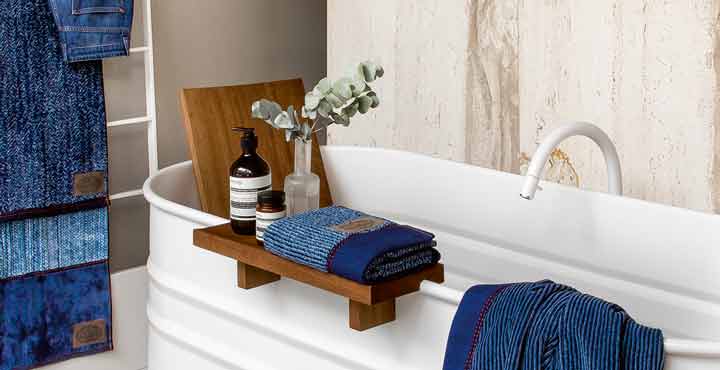
Indoor humidity should always remain within a certain range—ideally between 40% and 60%—to ensure comfortable breathing and restful sleep. While excessively humid air can lead to mould forming in your home, very dry air can cause respiratory discomfort. Low humidity levels indoors may even increase susceptibility to colds or trigger other health issues.
In fact, dry indoor air can also have a negative effect on pets and even furniture. Dogs, cats and other small animals may suffer from dry air, and solid wood furniture can develop cracks.
By the way: the ideal humidity level of 40% to 60% may occasionally be exceeded in bathrooms or kitchens. As long as you ventilate regularly, this will not cause any problems.
How to recognise dry air
Dry indoor air occurs mainly in winter due to heating and regular ventilation. When heating is on, the air warms up and absorbs moisture. This moisture is then released outside when you ventilate, replaced by cold, dry outdoor air.
If you feel that the air in your home is too dry, you can check the humidity level using a hygrometer (a device that measures air humidity). If the humidity is at or below 40%, you should take steps to increase moisture in the air.
How can you humidify the air?
Avoiding ventilation or heating altogether is not a sensible way to combat dry air. Briefly airing rooms several times a day is highly recommended to prevent the air from becoming stale. During this time, the heating should not be running at full power.
To keep your home warm when it is cold outside, close the window again after about five minutes and then resume moderate heating. In freezing conditions, we often tend to overheat our homes, but temperatures above 20°C can reduce concentration. Bedrooms can be cooler: a temperature of 16 to 18°C is ideal, especially for children. In particular, ensure that the air in the bedroom is sufficiently humidified overnight to support better sleep.
Houseplants also help create a pleasant indoor climate, as they act as natural humidifiers. When choosing plants, consider any allergies as well as whether they require sunny or shaded spots.
These measures can also help maintain adequate humidity levels:
Keep the bathroom door open: After showering or bathing, leaving the door open allows humid air to escape into other rooms, helping to increase overall humidity levels.
Dry laundry indoors: Although tumble dryers are convenient, drying laundry on a rack indoors helps to add moisture to the air. This is particularly practical in bedrooms.
Use a radiator humidifier: A bowl of water or a container attached to the radiator helps to humidify the air through evaporation.
Place damp towels over the radiator: Instead of using an electric humidifier, you can use damp towels to combat dry air. Simply place a wet towel on the radiator, allowing the moisture to evaporate naturally. As the towel dries, it releases humidity into the air. This way, you can avoid using electricity-powered—often costly—devices such as humidifiers while also saving energy.
When choosing the right towel for humidifying the air, you are spoilt for choice. Opt for one in your favourite colour or with an appealing texture. This way, it also serves as a decorative element and enhances the look of your space.