
Properly ventilating the bathroom: Here’s how!


Why ventilation in the bathroom is so important
A bathroom is a humid space: showering or bathing creates water vapor that settles on the mirror and other surfaces and remains in the air. If the moist air cannot escape, mold can develop. Proper ventilation in the bathroom—or ventilating bathrooms without windows—is therefore very important. In this article, we show you what to pay attention to and which common mistakes to avoid.
How to properly ventilate the bathroom
In general, the humidity in the bathroom may be somewhat higher than in other rooms, but it should not remain too high after showering. If you have a bathroom with a window, shock ventilation is the best method: Open the window fully for 5 to 10 minutes after showering to allow air exchange. Simply tilting the window does not achieve the same effect.
At the same time, make sure to close the bathroom door, otherwise the moist air will not escape outside but spread throughout the rest of the house or apartment. Turn off the heating while ventilating. Dry air warms up more quickly than humid air, so you will soon have a warm room again after airing out.
Even if you have not showered or bathed, you should still shock ventilate two to three times a day in the bathroom.
Ventilating a bathroom without a window
Not everyone has the luxury of a bathroom with a window. If the bathroom is also small, moist air can quickly build up and the risk of mold increases. Proper ventilation is therefore essential: built-in exhaust systems or room fans with humidity sensors can help. There is also the option of removing moisture from the air using special granules or containers filled with salt. Once the material is saturated, it should be replaced.
If the room has no window, you can still create air exchange through the bathroom door. In this case, make sure that the moist air can actually escape outside, for example by opening the front door or apartment door to the hallway. Otherwise, the moisture could accumulate in other rooms.
Drying damp surfaces
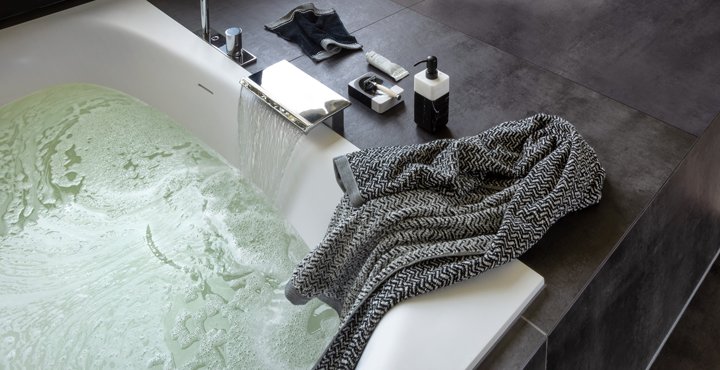
You can also ensure that moisture does not remain in the bathroom yourself—this is useful for both bathrooms with and without windows:
• Dry tiles or shower walls with a dry, soft cloth or use a squeegee for smooth surfaces.
• Wipe down fogged surfaces such as mirrors.
Also make sure to dry wet shower and bath towels in the bathroom only if there is sufficient air circulation. Otherwise, use better-ventilated rooms for drying.