

More Sustainability in the Bathroom

Using no more resources than absolutely necessary and forgoing the odd purchase – that is often what we understand by sustainable behaviour. But sustainability is not only about environmental protection: those who act sustainably also want to keep our world worth living in for future generations, and therefore combine the three pillars of sustainability in their actions:
- Environment
- Social responsibility
- Economy
It is about finding a balance and acting sensibly while also conserving resources. Anyone who wants to become more sustainable can start straight away and take small steps. No expensive investments are needed, and in many cases less really is more.
Rethink New Purchases
Seasonal decorations, colour-coordinated shower curtains and towels, a new mirrored cabinet … yes, new purchases in the bathroom create a pleasant atmosphere, but they do of course place a burden on the environment.
However, that does not mean you must never replace anything again from now on. If old bath towels have become rough or even developed holes, they are often still suitable for a second life. You are also acting sustainably here if you choose durable and robust furniture or textiles from the outset. A high proportion of natural fibres is also always better (and more durable) than synthetic products.
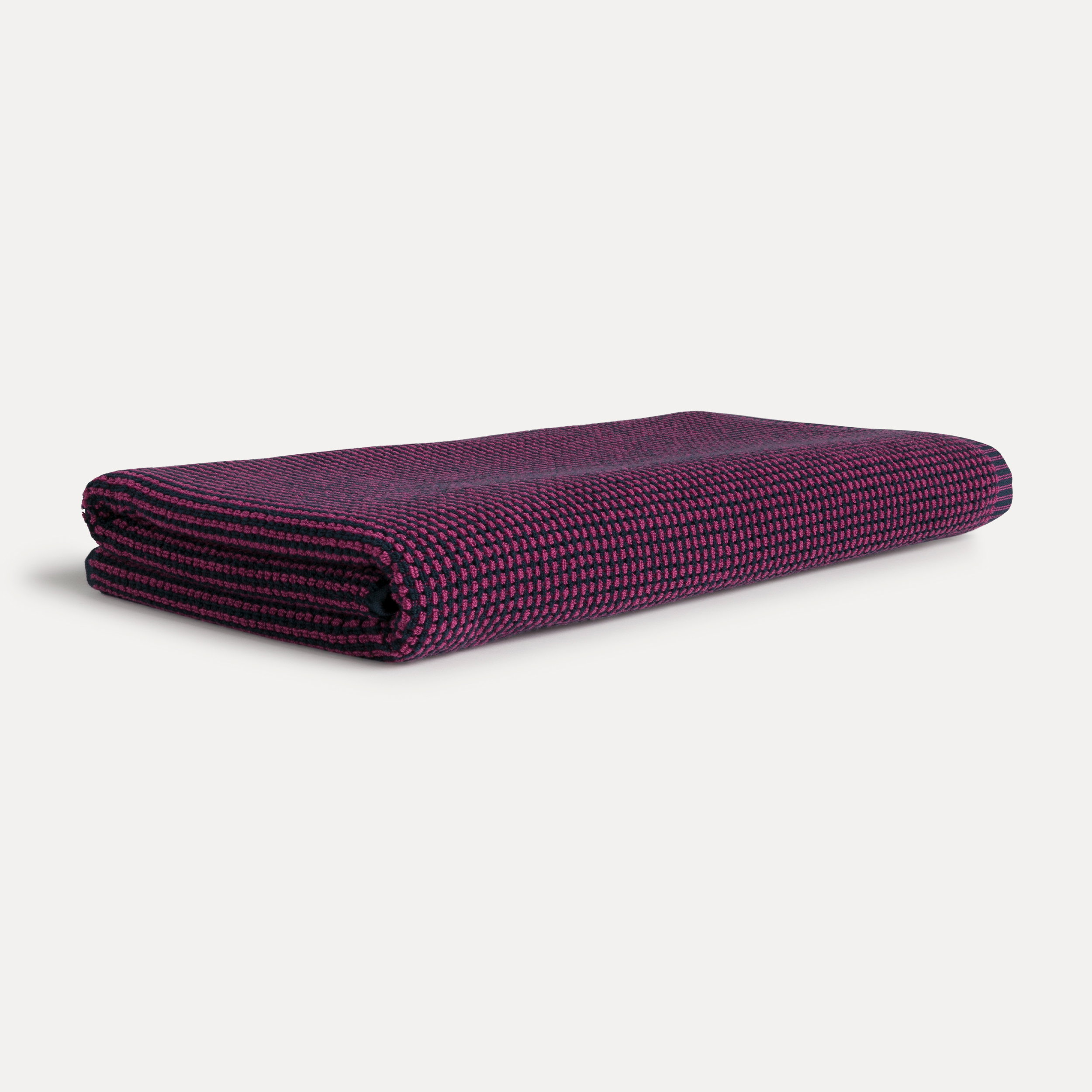
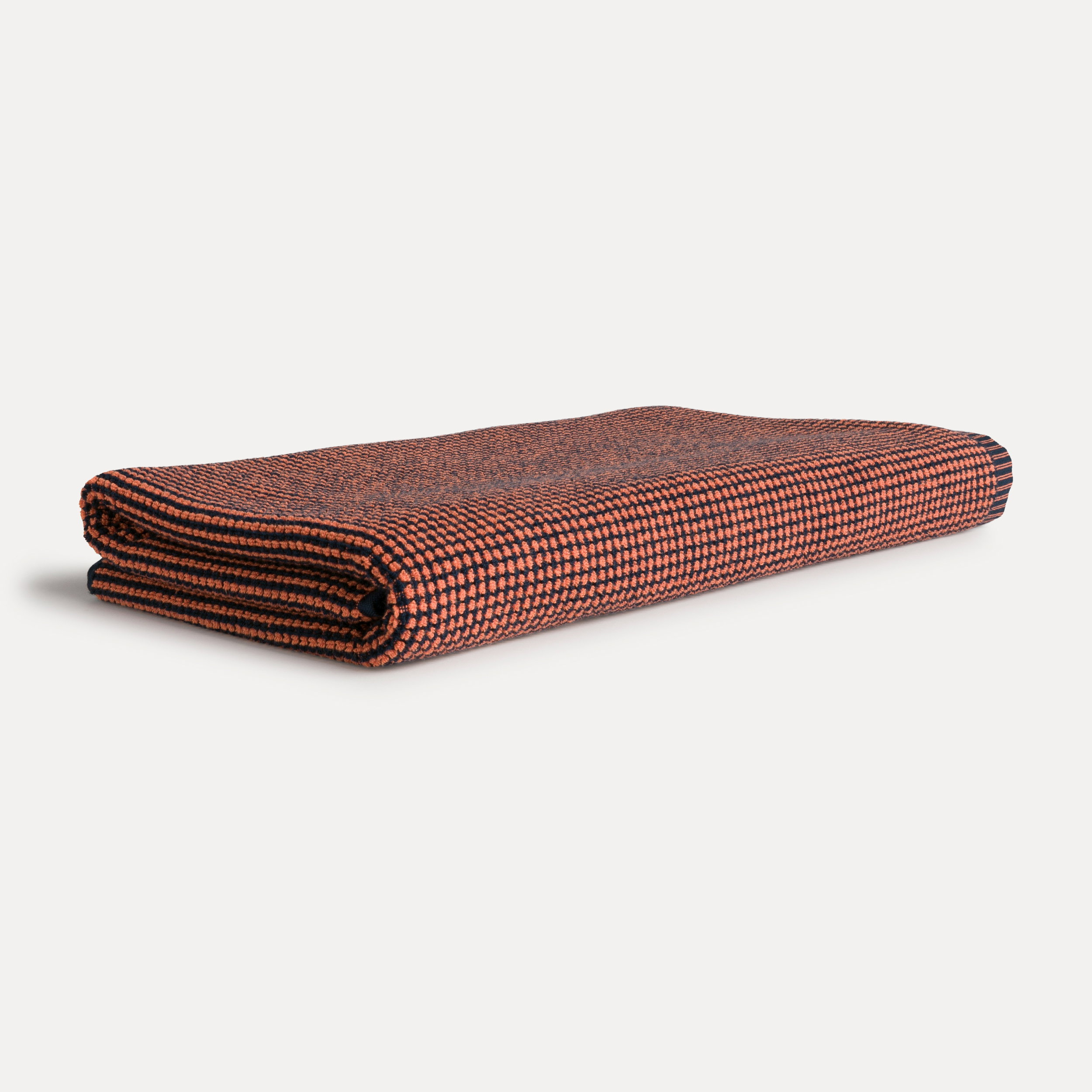
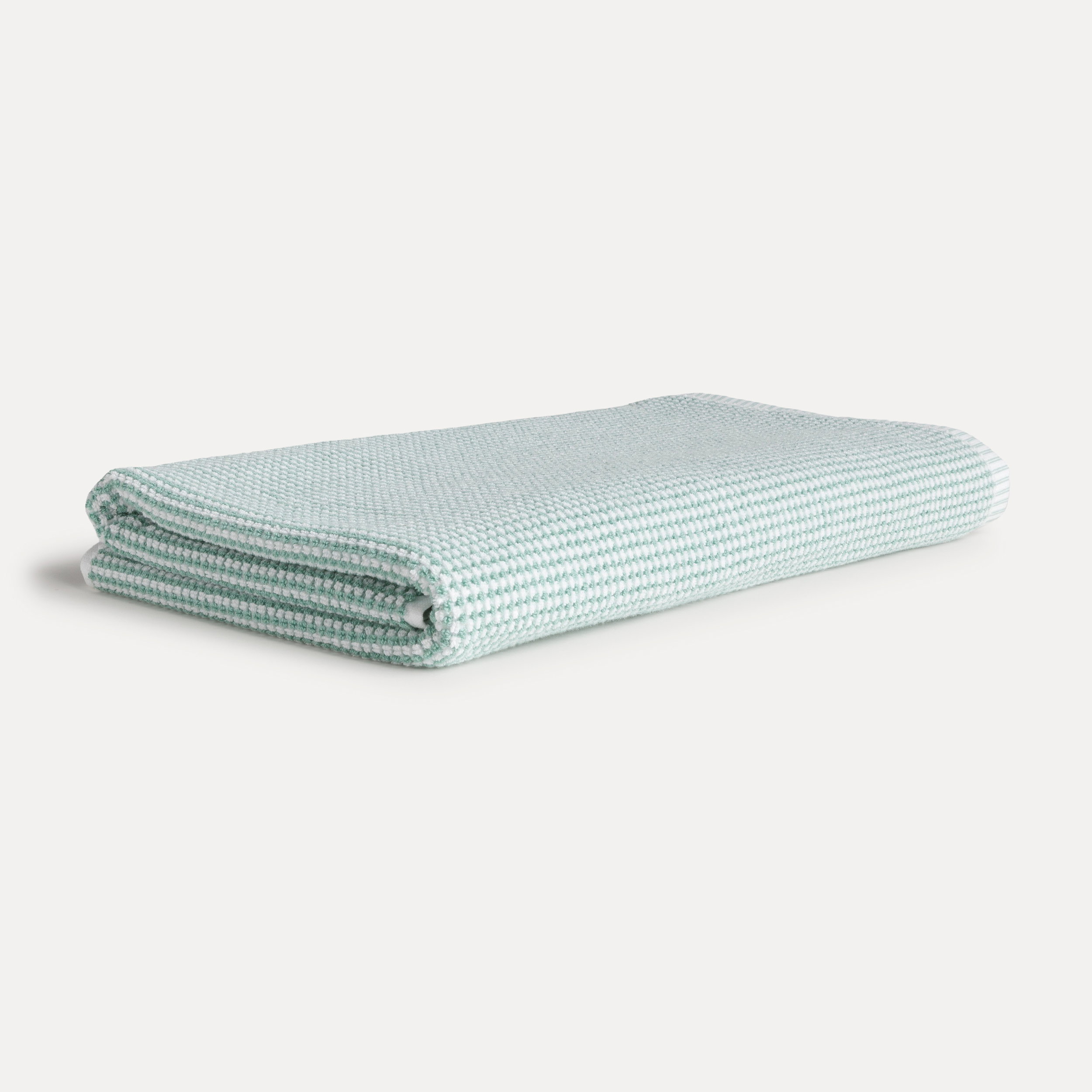
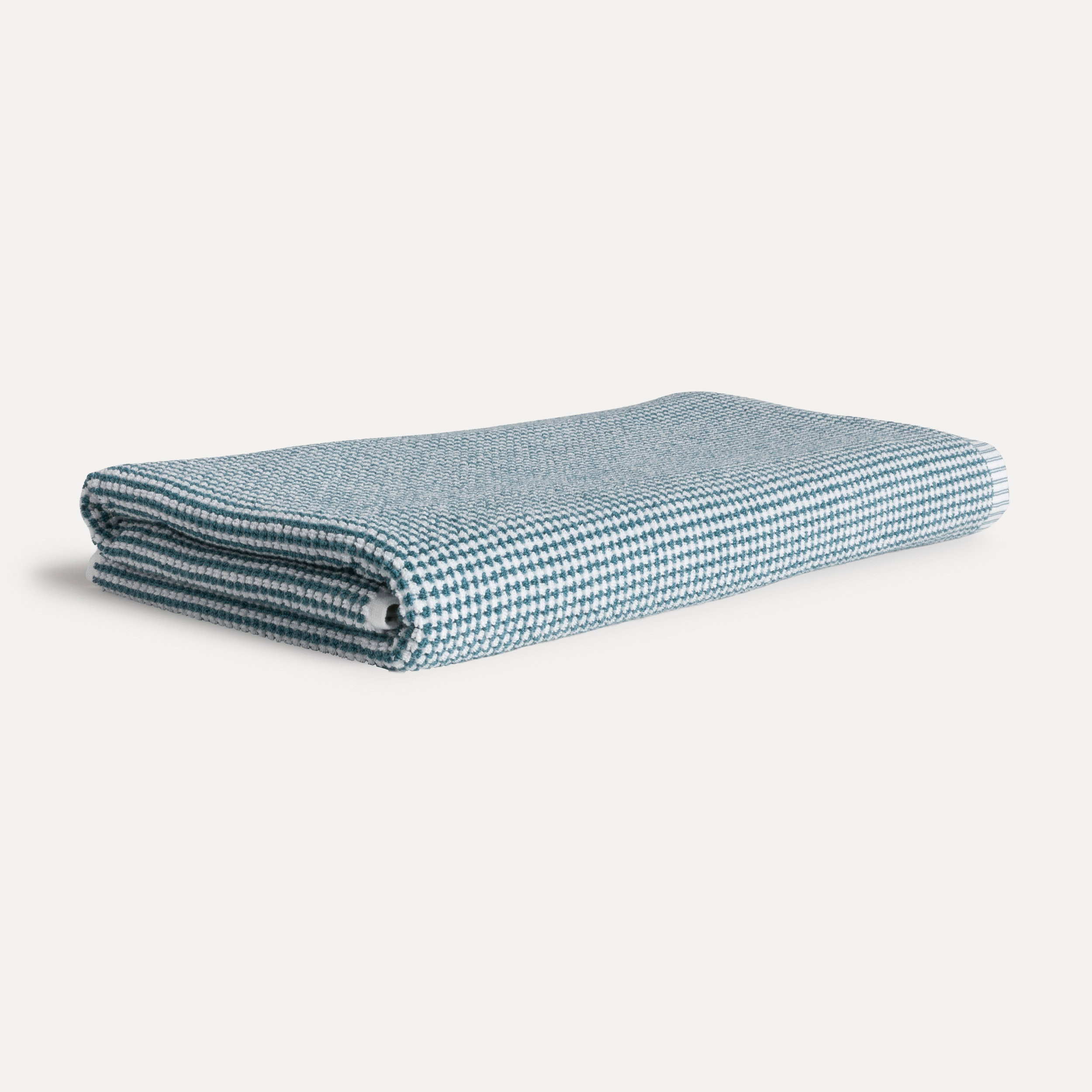
With a MÖVE towel, you are making a good choice when it comes to sustainability. Responsible action is important to us as well: with an environmentally and energy-efficient investment policy, we safeguard our production site in Grossschönau in Upper Lusatia, because we source a large proportion of the electricity we use from our solar installation and our own combined heat and power plant. Added to this are natural materials such as cotton, bamboo or linen, which are processed into high-quality towels. All towels from MÖVE are OEKO-TEX® tested and therefore free from harmful substances – from fibre to yarn.
Reusable Instead of Disposable Products
For many disposable products, there are now (or have long been) environmentally friendly and reusable alternatives. Bamboo toothbrushes save plastic, while wash mitts and soap cloths replace cotton pads and make-up remover wipes. Anyone who wishes can even buy reusable ear cleaners. They are made from materials that are easy to clean and therefore do not have to end up in the bin.
Bar soap is also environmentally friendly, because it often comes without outer packaging and on average lasts longer than liquid soap. If you do not want to give up liquid soap, you should opt for refill packs and pour the soap into a dispenser that suits your bathroom. This not only protects the environment, but also looks nicer than brightly coloured soap in plastic bottles.
Use Efficient Technologies
Lower consumption of water or energy also places less strain on the environment. Saving water is a key point that can quickly be implemented in your own bathroom. Turning off the tap while brushing your teeth or using special water-saving fittings helps to reduce water consumption. Showering uses less water than taking a full bath, and a lower water temperature is more sustainable because less energy is needed to heat the water. It is also possible to save electricity in the bathroom, namely by using LED lamps.
Wash Laundry Sustainably
Detergents and fabric conditioners often contain chemical substances which may smell pleasant and make laundry soft and fluffy, but are not ideal for the environment. Nowadays, however, there are also numerous “eco” detergents – and of course plant-based detergents such as soap nuts, which, when combined with essential oils, make laundry clean and fragrant.
In addition, modern washing machines often have water-saving programmes or settings that wash at lower temperatures and for shorter periods. Our everyday clothing is often not so heavily soiled that it needs to be washed at 60 or 90 degrees. The important thing is simply to wash towels or underwear regularly at a hotter temperature (that is, at 60 degrees). This not only removes bacteria, but also supports the longevity of the machine.
Clean in an Environmentally Friendly Way
Like detergents, many cleaning products contain chemicals or microplastics. They achieve an excellent cleaning effect, but they also pollute the water and therefore the environment. Here too, you can turn to more environmentally friendly cleaning products, for example plant-based cleaners or household remedies such as citric acid, vinegar or bicarbonate of soda. Cleaning cloths should, just like towels, be washed regularly at 60 degrees. This helps them last longer and means they need to be replaced less often – here, a hot wash is more sustainable than a new product.
So it is important to be able to weigh things up as well: sometimes a hot cotton wash really is the more sustainable option. And in some cases, it is even worth investing in a new washing machine or shower fitting – namely when, in the long term, more resources are saved than consumed through the new purchase.