

How to sort your laundry systematically


Why should textiles be sorted?
Modern washing machines offer numerous programmes and the option to adjust pre-wash, spin intensity, or water temperature. This is necessary because clothing and home textiles today are made from very different materials, come in various colours, and therefore have different care instructions. These should always be followed when washing to prevent discolouration or shrinkage and to keep textiles in good shape. It is best to wash certain items separately. Below, we explain the different ways to do this.
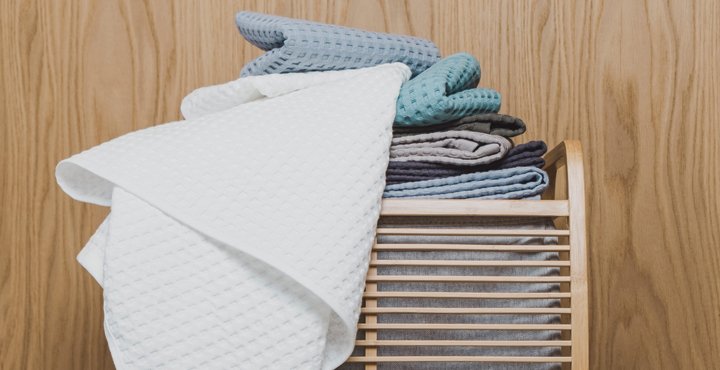
Sorting laundry: different options
If you have a laundry room or know one from family or friends, you may be familiar with the pile system: different piles of laundry are created before the washing machine, based on their properties. Even without a dedicated laundry room, the principle remains the same today. You define criteria for washing cycles and sort your laundry accordingly. In households with little laundry, different criteria may apply than in those with a large amount of varied laundry.
Before washing, always make sure that all pockets are emptied and zippers are closed. This prevents foreign objects from entering the machine and stops zippers from damaging more delicate items. Some garments may need to be turned inside out—this is best done when sorting the laundry.
By material
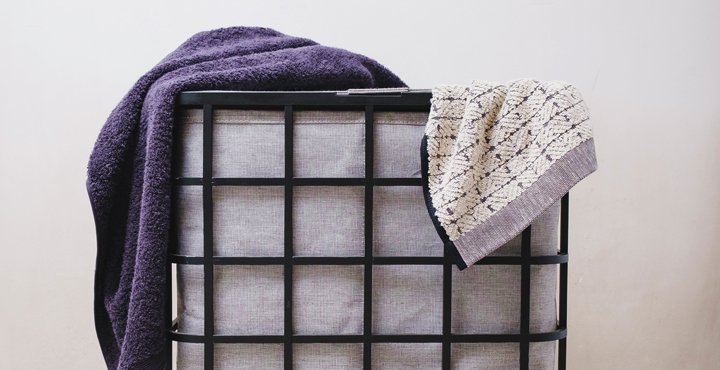
Some materials are very delicate and should therefore be washed on a gentle cycle or by hand. This applies in particular to wool or silk. To ensure these often expensive garments last a long time, you should wash them separately from the rest of your laundry.
By washing temperature
Some people wash all their laundry at the same temperature (e.g. 40°C, depending on the most delicate item), but you should at least wash kitchen towels, bed linen, and towels at higher temperatures regularly. It can therefore be useful to collect this type of laundry separately.
By colour
If you wash light and dark colours together, white shirts, tablecloths, or bed sheets can quickly develop a greyish tint. We therefore recommend separating light laundry from dark or colour-transferring items and ensuring that the detergent used is suitable for the respective colour and material.
In some cases, further sorting can also be useful:
- Light laundry: white, beige, light yellow, light blue, light grey
- Coloured laundry: red, orange, yellow, pink
- Dark laundry: black, dark grey, brown, possibly dark blue, green, violet
Using laundry baskets
Instead of sorting laundry just before washing, you can make things easier by using laundry baskets. If you have enough space, you can set up separate baskets for different wash loads and collect items there until laundry day. If you have less space or do not separate colours or materials, a single laundry hamper may be sufficient.
In our range, you will find laundry baskets with one or multiple compartments as well as storage options that are portable or can be closed. The latter is ideal if you store your laundry in the bathroom and want to keep it out of sight when guests are around.
Most laundry baskets are designed to hold roughly one washing machine load of about 6 kg when full—so you can tell when it’s time to wash based on how full they are.