

Cotton – cultivation, production, quality and processing
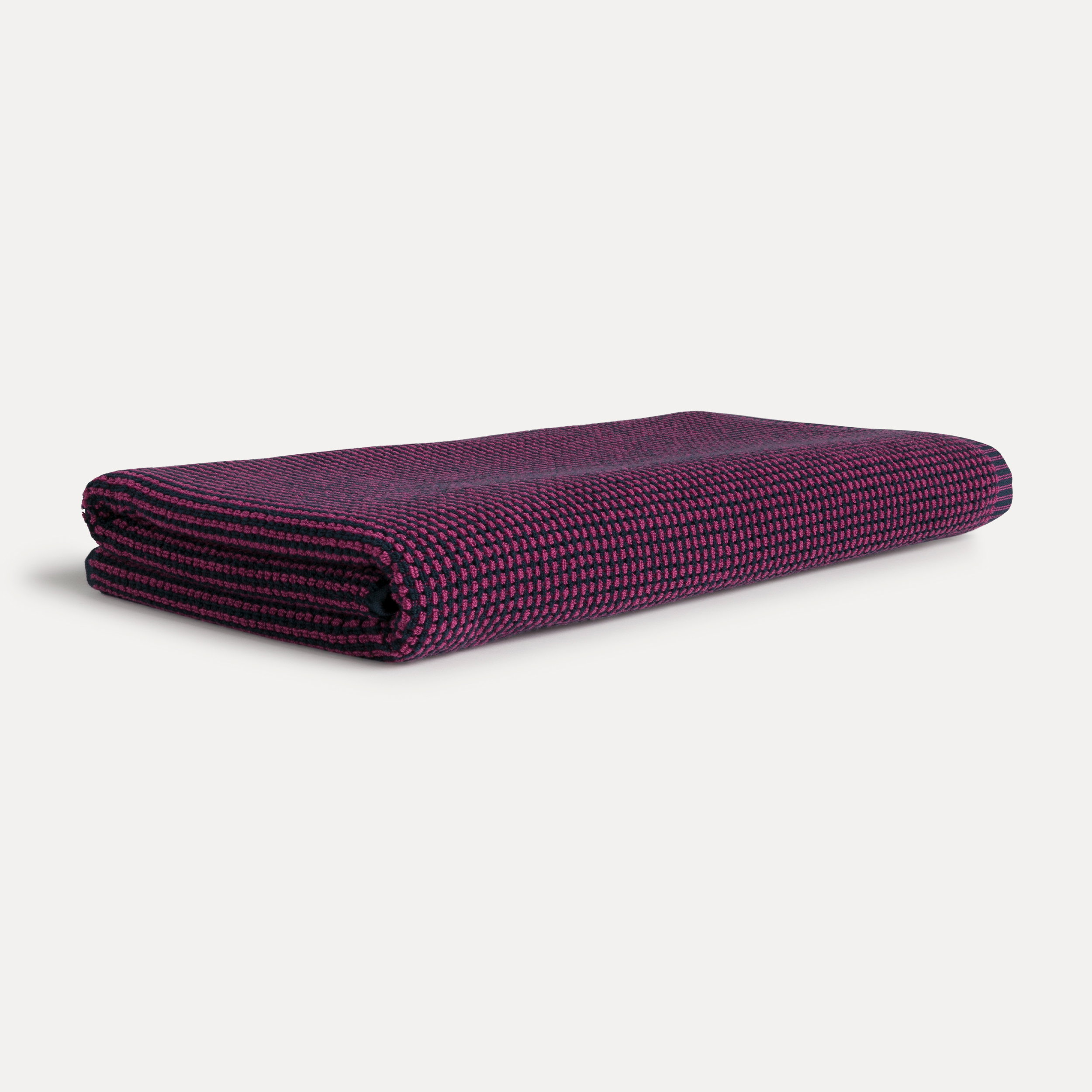
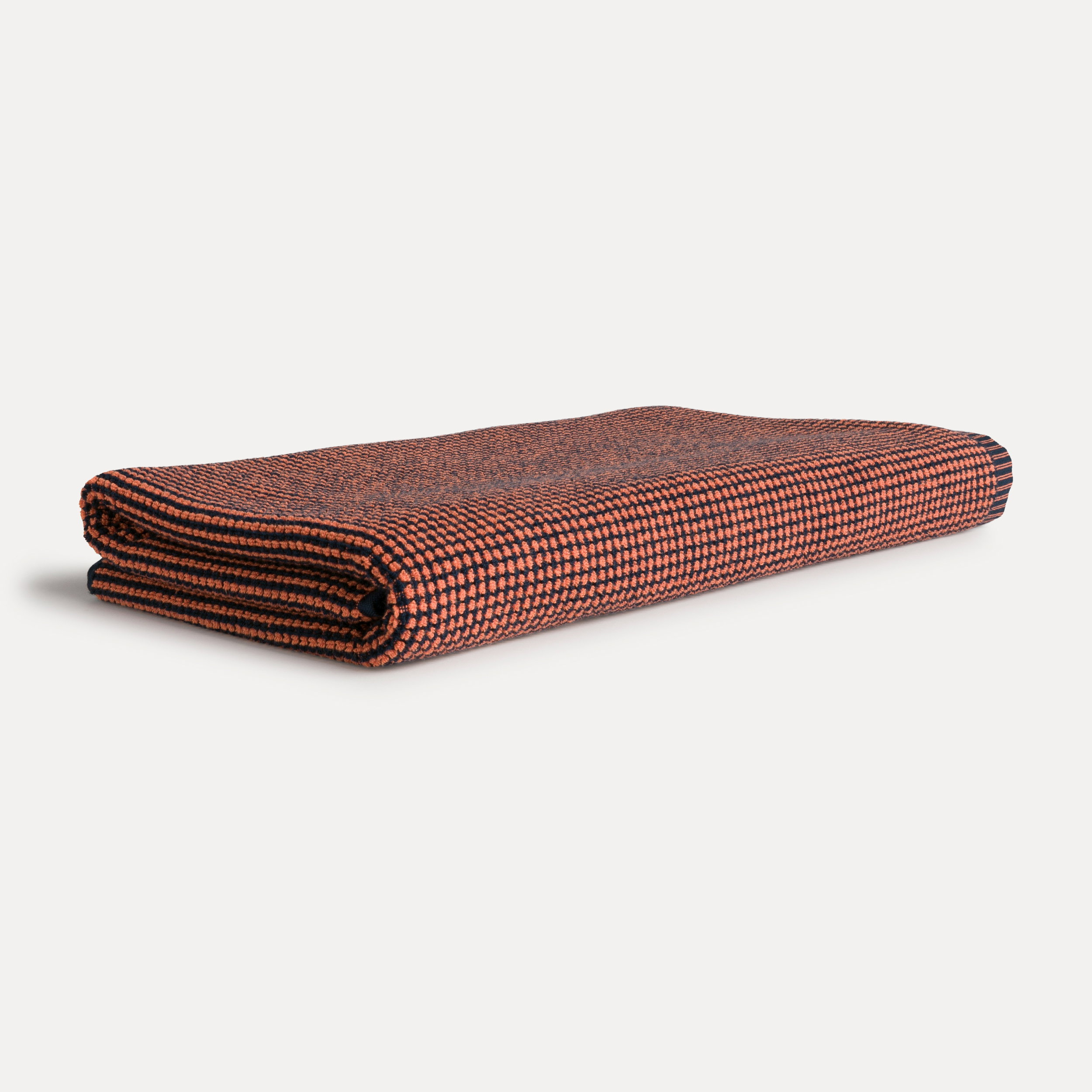
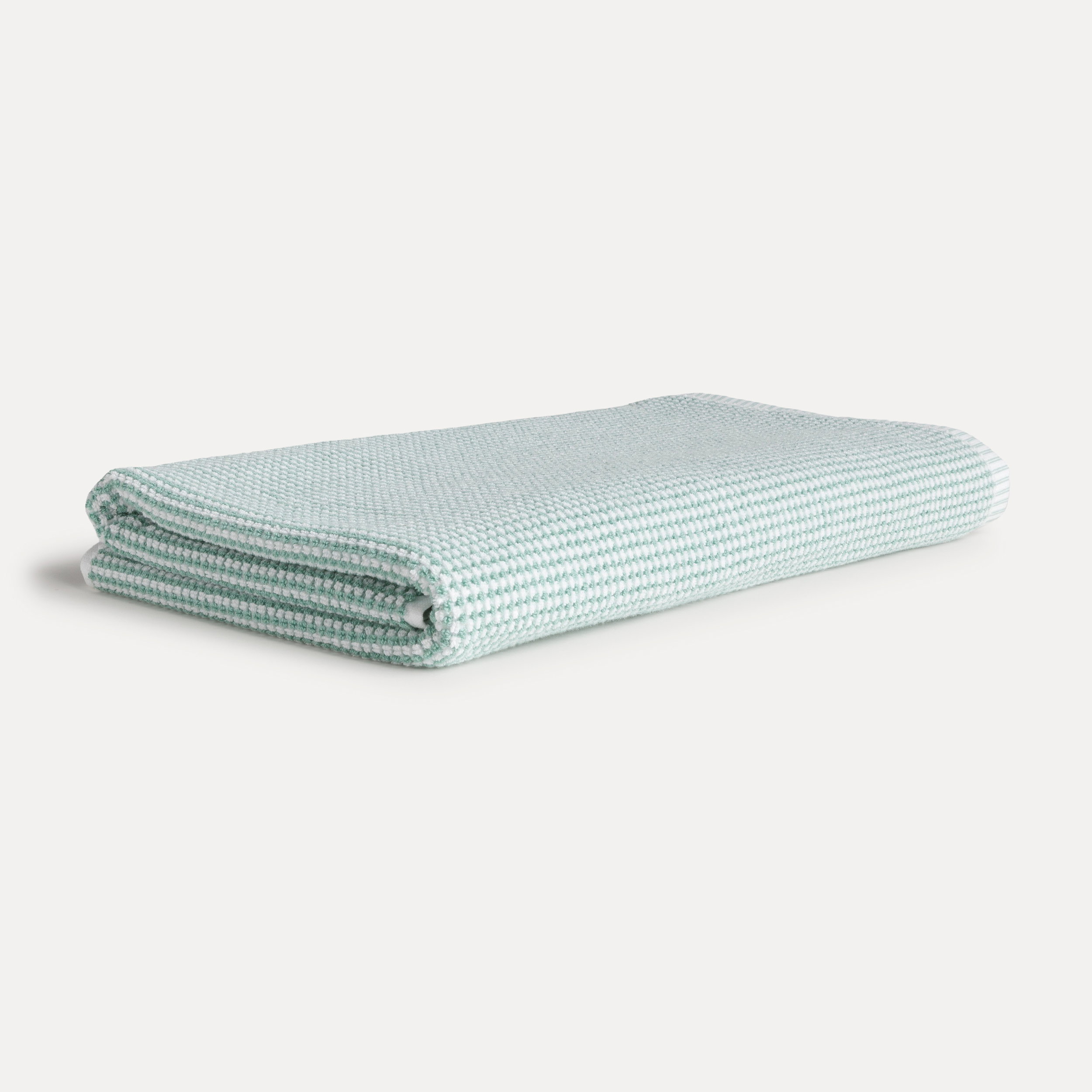
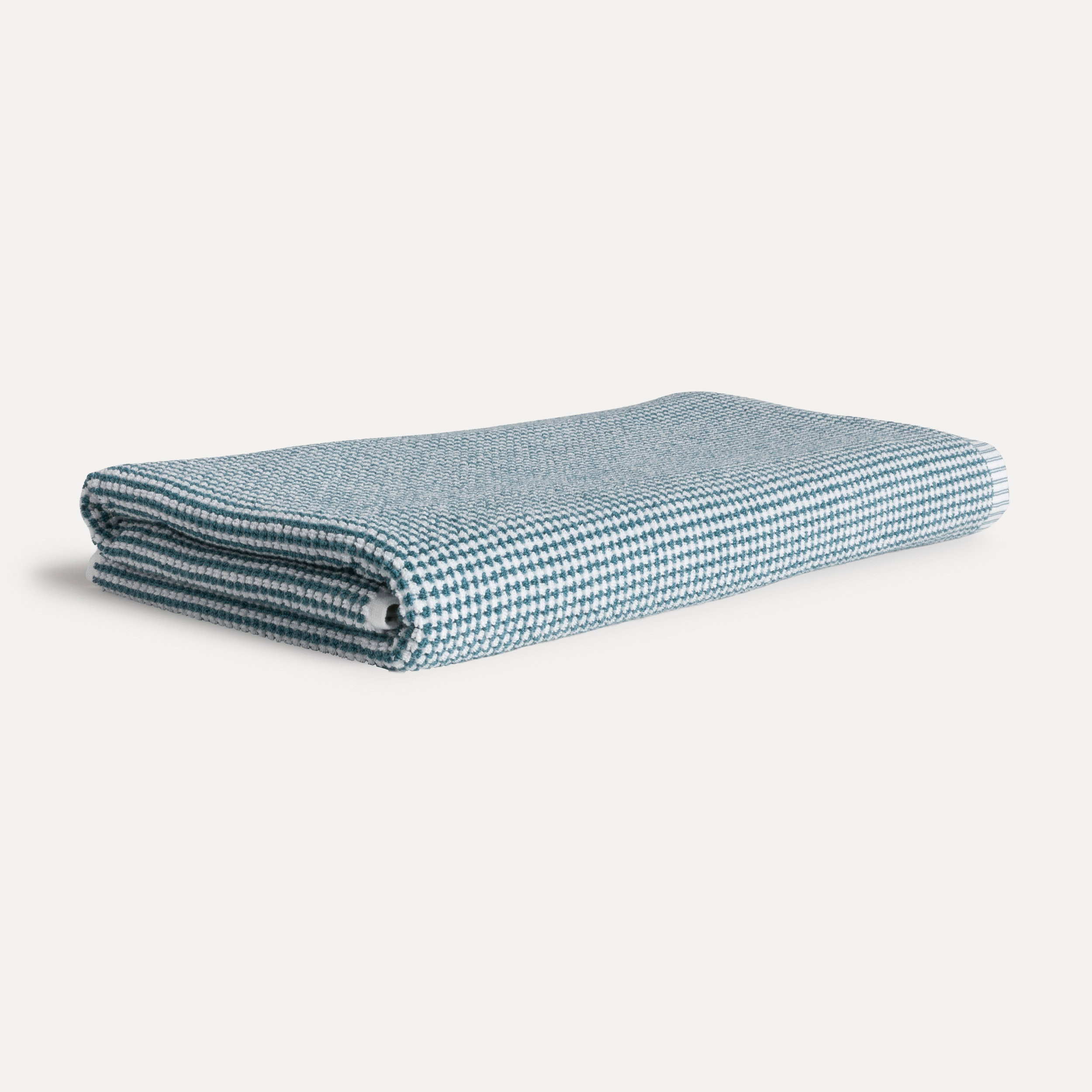

As a pure natural fibre, cotton is obtained from the cotton plant – more precisely, from the seed hairs of the plant. Owing to its high durability and good moisture absorption, cotton is used primarily in the medical field, but also in the clothing and textile industries.
Cultivation of cotton
In its wild form, cotton belongs to the mallow family and occurs exclusively in tropical regions. Today, however, it is increasingly cultivated as a crop plant in our regions as well.
For healthy growth, the cotton plant requires constant sunshine and plenty of warmth. In regions where temperatures are around 30 degrees Celsius, the plant can also be grown outdoors. However, night-time temperatures must not drop too sharply.
After delicate yellow flowers have developed, green bolls form on the shrub between May and September. Around two months later, these burst open, revealing the white cotton fibre.
Production of cotton
Nowadays, cotton is harvested using modern picking machines. In order to avoid contaminating the cotton as much as possible, workers remove the leaves from the shrubs before harvesting. A ginning machine then also removes any remaining pieces of boll and seeds from the plant material.
The raw material produced is pressed into bales and delivered to various spinning mills. To prepare the fibres for combing – known as carding – the bales are opened again and cleaned once more. The cotton fibres are then sorted by length, with the longer fibres being used for textile production. Shorter fibres are used by industry to produce cellulose.
Once the cotton fibres have been sorted in the carding machine, the individual fibres are separated. These then form a delicate fleece, from which carded slivers are produced. After being blended and doubled, they must be combed again.
After the slivers have been stretched and drawn twice, they take on a uniform appearance. The resulting roving is wound onto bobbins. To turn this into fine yarn, the roving must be stretched again until it reaches the required fineness. The fine yarn can then be processed into ring-spun yarn on a ring spinning machine. Only yarns made from combed cotton are given the designation ring-spun yarn. Since cotton fibres have twists similar to corkscrews, they can be spun very effectively.
Quality of cotton
Raw cotton is considered more valuable when the fibres are longer. With long fibres, it is possible to achieve a more even result when twisting them into yarn. This produces particularly fine yarns. The value of a cotton yarn can also be recognised by its sheen and shade. This is because cotton is harvested in different tones, ranging from white and cream to grey or brownish hues. High-quality cotton can be recognised by its long fibres, its lustre and its particularly light colour.
Processing of cotton
The best-known use of cotton fibres is in the manufacture of garments such as T-shirts or trousers. But the medical field also benefits from this material. Workwear such as doctors’ coats or surgical clothing is generally made of cotton. And last but not least, cotton is also found in dressings such as gauze, compresses and bandages.
Numerous everyday household products are also made from cotton. In the bathroom, for example, everyone uses towels every day, usually in terry quality. Only combed cotton is used for terry towels, as well as for shower mats, bath mats and bathrobes. This makes the products particularly soft and absorbent. With proper care, they also retain their shape for a long time, even after many washes.
The production of cotton also creates a by-product: cottonseed oil. It is produced during the process of separating the fibres by pressing the seeds. This material, which is essentially a waste product, is generally used as a carrier oil and fuel. In rare cases, cottonseed oil is also used in the kitchen as a cooking oil.